About Qualified Charitable Distributions
A Qualified Charitable Distribution (QCD) is a tax-efficient way for individuals who are age 70 ½ or older to make gifts directly from their Individual Retirement Account (IRA).
QCDs can count towards satisfying an individual’s Required Minimum Distribution (RMD) for the year, which is the minimum amount that an individual must withdraw from their IRA each year once they reach age 73.
Benefits
- Reduce taxable income
- Counts towards your Required Minimum Distribution for the year
- Make an immediate impact on Rutgers
How it works
- Using this form, provide your contact information and donation details, including financial institution and gift amount (up to $111,000).
- Download, complete, and submit your forms to your financial institution using the instructions provided.
- Once your financial institution receives the forms, the funds are usually transferred to us in about 5-10 business days.
- Enjoy the benefit of a tax-free distribution from your IRA, contributing towards your Required Minimum Distribution and potentially reducing tax liability.
You will not receive a charitable income tax deduction for a Qualified Charitable Distribution.
Make your QCD gift quickly and hassle-free, today
In under 10 minutes you will be guided through the entire donation process, no sensitive information required.
Contact Us
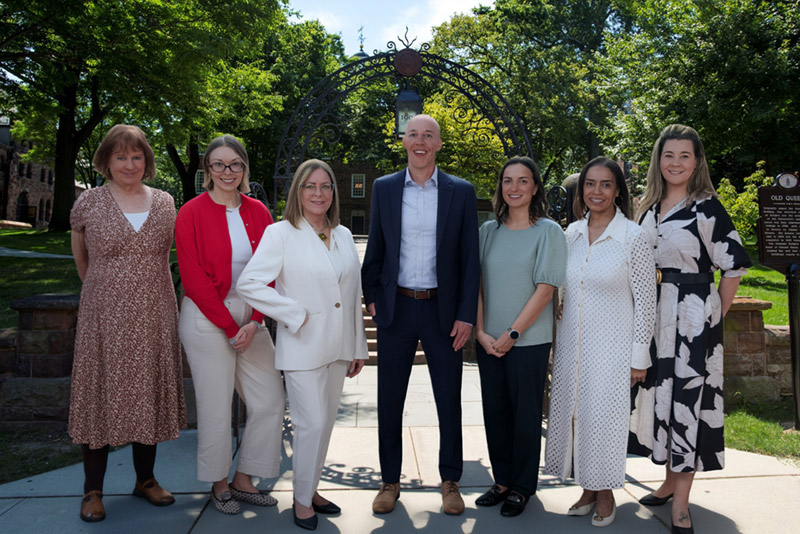
Our team is available to discuss your philanthropic goals and explore giving options that align with your values, family, and financial priorities.
Already included us in your estate plan? Let us know.
More ways to make an impact
Gifts in a will or trust
These are the most common type of planned gift. Learn more or get started with a free online will or trust tool.
Beneficiary designations
Retirement assets like IRAs and 401(k)s can be among the most tax-efficient assets to leave to charity, helping maximize your impact while preserving other assets for loved ones.
Gifts that pay you back
Give assets while providing yourself or others with income for a period of time or distributions at a later date.